“Las voces de los niños importa, escucha, cree y protege.”
Adolescente Mujer, 17 años, Táchira – Venezuela
“Children’s voices matter. Listen, believe, and protect them.”
17-year-old girl, Táchira – Venezuela
It can be argued that conflict, crisis, and war are what pushed society into defining and guaranteeing the rights of children, as the Declaration of the Rights of the Child was adopted in 1924 by the League of Nations following the horrors children experience during the First World War. Fast forward to 1989, when the Convention on the Rights of the Child was adopted by the United Nations Security Council (UNSC). By 2015, all but one State had ratified and domesticated the Convention on the Rights of the Child (CRC). Today, more than 100 years after the first document recognizing childhood as requiring particular rights and protections, we have not only laws, policies, and norms for the protection of child rights, but programs that address violations of those rights. We know how to help children recover and work with parents and caregivers to prevent rights violations. We also have more data than ever on those violations and have become better at predicting conflict, climate crisis, and displacement and understanding their impact on children.
“I want to live peacefully, without wars.”
– 14-year-old Syrian boy
Yet violence against children is on the rise. Children continue to witness their worlds shattered by conflict and see their parents – their protectors – in anguish. Millions of children are born and live their entire childhoods in displacement. We often hear about how resilient children are; but the laws, norms, and policies that protect the rights of children do not call for them to be resilient. Children are not the duty bearers of their own rights. It is up to all of us to see that children’s rights are guaranteed.
“Дружба — це важливо. Без неї ніяк, це твоя підтримка та опора”
“Friendship is the most important right. You can’t do without it—it’s your support and foundation” – 12 year old girl in Ukraine
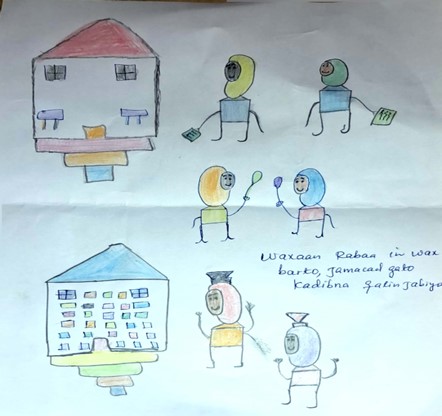
Photo 1: Drawing by a child in Somalia 1
What’s at Stake?
Over 473 million children live in areas affected by armed conflict and are exposed to violence and deprivation of the rights to parental care, education, health care, and even life. These numbers are not simply statistics, but they represent the foundation of society. In humanitarian settings, the impact of conflict on children is acutely exacerbated, exposing children to heightened risks of sexual violence, forced recruitment and use by armed forces and groups, exploitative labor, and pervasive community violence. These traumatic experiences inflict profound and lasting harm on children’s development and well-being.
«Je veux que la paix revienne et on va repartir dans notre village » – Un adolescent de 14 ans
“I want peace to return and we’ll go back to our village.” – 14-year-old adolescent boy
Each year, the IRC’s Emergency Watchlist helps us identify the countries where conflict, climate shocks, and economic collapse are most likely to intensify, and where the rights of children and their families are therefore most at risk. These same contexts frequently appear in the UN Secretary-General’s Annual Reports on Children and Armed Conflict, underscoring how quickly violations of children’s rights escalate when crises deepen. In these settings, children face attacks on schools and hospitals, recruitment and use by armed forces and groups, sexual violence, family separation and displacement, and the loss of caregivers. In too many wars, harming children is no longer a tragic side effect of violence, but part of the strategy.
The Watchlist identifies the 20 countries where conflict, climate shocks and economic collapse are most likely to intensify, and where the rights of children and their families are therefore most at risk. On this World Children’s Day, 20 November 2025, the IRC is spotlighting the situation of children in the top three countries of IRC’s 2025 Emergency Watchlist and also sharing the voices of children themselves in those countries and across the globe as they identify the rights they are most concerned about losing and the futures they hope for.

20 months ago, 24 million children in Sudan were reported to be at risk of violations of their right to life and protection amidst reports of child recruitment and use, killing and maiming and widespread displacement of populations. Unfortunately, these risks have become a reality. At least 170 unaccompanied children have fled to Tawila following a surge in violence in El Fasher, Sudan. The parents and families of these children are among more than 200,000 civilians whose whereabouts are unknown after the city fell to the Rapid Support Forces in October. Those arriving in Tawila have recounted traumatic stories of arbitrary detention and summary executions, and of passing large numbers of dead and injured people on their journey. Centering protection of civilians and protecting the right to parental care while providing mental health support for children and their families remains critical.

Children in Gaza are bearing the brunt of the conflict that has taken nearly 70,000 lives since 2023. All 6 grave violations against children have been reported in the conflict, while children have watched their community and their world fall apart in ways that cannot be imagined. Thousands of children have been killed or severely injured, while 17,000 have been separated from their families, putting them at increased risk of exploitation, starvation, and mental health crises. Their caregivers are distraught. More than 650,000 children have lost access to education as nearly 90% of schools in Gaza have been damaged or destroyed. In July alone, more than 60 children lost their lives to hunger-related causes—deaths that could have been prevented by upholding international humanitarian law, with respect to the rights of children.
، بحب الكلمنتينا انا بحب عروستي، وانا مشتاق ارجع على غزة، الله يرحم بابا استشهد انا بحبه، وبحب عالم اهلا سمسم
“I love clementines. I love my doll, and I’m longing to go back to Gaza. May God have mercy on my father’s soul—he was killed. I love him, and I love Ahlan Simsim world.” – 7 year old Palestinian girl

The situation in Myanmar has worsened recently due to ongoing conflict, climate shocks, health emergencies, and restricted access to essential services. Violence against children has been reported to affect children as young as three months old. Approximately 3.6 million people are now displaced nationwide, with attacks on schools and civilian areas increasing protection risks. Conflict-related school closures disrupted learning for about 4.7 million children, heightening risks such as child marriage, sexual exploitation, child labor, and trafficking. Child recruitment and use of girls and boys expose them to military-like environments and at risk of injury and death. New emerging armed groups use tactics such as economic incentives and abductions to recruit children. Throughout 2025, humanitarian access continued to be restricted due to checkpoints, transport blockades, and service suspensions, while funding remains critically low as only 12% of the 2025 Humanitarian Response Plan has been met. This means that critical services identifying exposure to trafficking or exploitation, and to mitigate these risks, is severely hampered.

Within the Watchlist for 2025, the IRC recognized four imbalances as some of the reasons that are driving crises and impacting the foundations of children and their communities. These imbalances reinforce each other, spark new crises, spread existing crises, and undermine efforts to bring crises under control. They also lead to childhoods spent in protracted crisis and conflict, further driving inequality that continue to undermine the rights of the child.
The Four Imbalances and Their Impact on Children
- More conflict, less diplomacy
Rising conflicts and diplomatic failures expose a global shift toward force over peace, paralyzing efforts to resolve disputes. Around the world, disputes that could be resolved through dialogue are escalating into violent, long-running conflicts. Peace processes stall, ceasefires collapse, and political negotiations are sidelined. For children, “more conflict and less diplomacy” does not happen in meeting rooms, it happens in their homes, schools, and streets. It means growing up under constant threat of bombardment, shelling or gunfire; losing access to education as schools are destroyed, occupied, or become too dangerous to reach; repeated displacement that tears children away from their friends, routines, and support networks; prolonged separation from caregivers, or the death or disappearance of parents. Together, these can create a permanent sense of fear that shapes how they see their future.
These are not abstract trends; they are violations of core rights to life, survival and development, to education, to family unity, and to protection from violence. Children themselves describe their rights in these terms. When asked what rights matter most to them, one child in Yemen and another in Sudan said:
حقوقي تعني أنهم لا يظلمونني، ولا يحرموني، ويوفرون لي الأمان والتعليم، ولي الحق في العيش في مكان آمن مثل باقي الأطفال” – طفل في اليمن
“My rights, it means that they do not oppress me, I am not deprived, and they provide me with safety and education, and I have the right to live in safe place like the rest of the children” – Child in Yemen
All children should live safely and not fear war or violence. I want to play and laugh without fear – Child in Sudan
In protracted conflicts where diplomacy fails, these simple expectations – to be safe, to learn, to have friends and support – become the first casualties.
- More attacks on civilians, fewer consequences
Parties to conflict increasingly violate the laws that were created to protect civilian lives, infrastructure, and aid workers. Civilians are bombed in their homes, schools and markets. Hospitals and water systems are attacked or blocked. Humanitarian workers and local volunteers are threatened, abducted or killed. When there are no real consequences for these attacks, they become part of the logic of war, not an exception.
For children, “more attacks on civilians and fewer consequences” means living with the risk that everyday places, such as homes, playgrounds and schools, can become targets, losing family members, neighbours, and teachers to sudden, violent attacks; suffering grievous injuries and permanent disabilities, including loss of limbs, severe burns and maiming from shelling, airstrikes, small arms fire and explosive remnants of war; seeing services they depend on, such as health care, water and education, destroyed or cut off; and learning early that harm can be done to them without anyone being held to account.
These are direct violations of children’s rights to life and survival, to protection from violence, and to an effective remedy when harm is done. They also sit squarely within the grave violation of killing and maiming of children recognized by the UN in situations of armed conflict.
Children themselves are clear about what they expect from adults in this context. A child in Honduras said:
“Los adultos escuchen a los niños, los cuidan y protegen, se castigue a quienes hacen daño.” – Niño, Honduras (Translation: Adults should listen to children, care for them, and protect them. Those who harm them should be punished. Child in Honduras)
Children want to o ffer solutions and to support other children:“I want to learn and become a doctor to provide medical services for my friends who were physically disabled by the gunshot during the conflict. But I need a uniform, books, pen, exercise book, and a safe learning classroom. My father and mother are not with me; I am living with my grandmother. My only option and right are to study hard, so I can have a better future.”
12 year old Adolescent girl – Ethiopia
Photo 2: Drawing by a child in Ethiopia
“Tenemos derecho a elegir a las autoridades y a ir al colegio.” Niño migrante ecuatoriano 11 años. (Translation: We have the right to elect our authorities and go to school. 11 year old Ecuadorian migrant child)
“Deseo tener una organización para ayudar a las personas que están en la calle y a los animalitos. Niño migrante venezolano.” – 11 años. Perú (Translation: “I want to have an organization to help people who are homeless and animals.” Venezuelan migrant child, 11 years old. Peru)
At the heart of this imbalance is a gap between what international law promises children and what they actually experience, a gap that children name as a lack of protection and accountability.
- More carbon emissions, less climate support
Carbon emissions continue to rise and the highest price is being paid by children and communities who have contributed the least to the problem. Evidence shows that extreme weather conditions and climate change increases exposure to violence against children, including child marriage in girls.[8] Droughts, floods, storms, and heatwaves are becoming more frequent and more severe. Crops fail, water sources dry up or become contaminated, and families are forced to move, often many times.
For children, “more carbon emissions and less climate support” means hunger and malnutrition when food systems collapse; walking long distances for water, which increases risks of harassment and violence; schools that are closed or destroyed by floods, storms, or landslides; displacement that separates them from friends, relatives, and familiar environments; increased pressure to enter child labor or early marriage as families struggle to cope; situations where, in the absence of income, safety nets, and protection, joining a gang or an armed group can appear to children and families as one of the few available ways to access money, protection, or a sense of belonging.
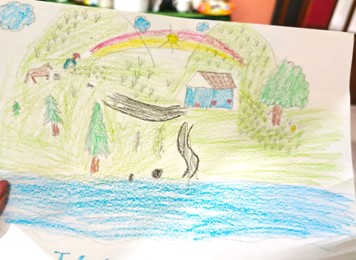 Photo 3: Drawing by a child in Ecuador
Children describe their rights in ways that link safety, play, learning and a healthy environment. A child in Syria explained:
“We want to play, paint, sing, and visit our friends and relatives. Our rights include learning, protection, access to food, proper clothing, and feeling safe. We need care from our families and wish for spaces like gardens, sports clubs, and safe environments where we can learn, create, and play without fear.” – Child in Syria
For others, climate stress, displacement and violence are intertwined. A Sudanese refugee child in South Sudan said:
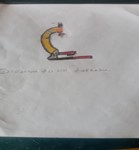
“I want early marriage to stop because my age mates are married and they are young. We need our school here in the settlement because children from host community do disturb us when coming from school. I wish to be Doctor.” – Sudanese refugee in South Sudan
Photo 4: Drawing by a child in Ethiopia
Their words show that climate justice for children is not only about emissions, but also about their rights to food, education, protection from harmful practices, safety, play and pathways that do not force them into exploitation or recruitment by armed actors.
- More wealth accumulation, less poverty alleviation
While the world is getting richer, extreme poverty is growing in Watchlist countries, deepening global inequalities. For children, this means that they are denied access to basic needs including birth registration, food, education, and livelihoods. Without basic needs and survival, poverty further facilitates the exposure of violence against children.
Social systems, including health, education, social protection and child protection, were largely designed for a world of temporary shocks and relative stability. They were not built with today’s converging polycrises in mind, nor with the four imbalances as a starting point. In a world of permacrisis, where conflict, socio economic shocks, political instability, climate change, and rapid urbanization overlap, these systems buckle first and fastest in the very places where children most need them.
Debt burdens, inflation, and underinvestment in social protection leave families without a safety net. Public budgets for health, education, and social welfare are cut, highly regressive, or never extended to the most marginalised communities. And because systems are neither crisis ready nor equity focused, the costs of every shock are shifted onto households, and children are often the first to feel the impact.
For children, “more wealth accumulation and less poverty alleviation” translates into going to bed hungry or eating less nutritious food; missing out on school because fees, uniforms or transport are unaffordable; being pushed into work, sometimes in dangerous or exploitative conditions; lacking basic items such as clothes, soap, and shoes, which affects their dignity and social inclusion; and being more exposed to trafficking, exploitation, and abuse when families are forced into desperate coping strategies.
Children name these realities clearly:
“I am from a poor family who is unable to meet all my needs. I therefore had to work to help them while other children of my age are in schools. It is my right to be in school, dress in clean clothes, carrying school bag. These are my minimum rights that I couldn’t realize. I do not love my work, and I don’t want to work, but there is something more powerful than me, our situation. – 10-year-old girl in Lebanon
A Sudanese refugee child in South Sudan added:
“I want our right to be protected, our education and protection should be prioritized” – South Sudanese boy
In Burkina Faso, the children recognize that their socio-economic rights are linked to their civil rights.
« Il y ‘a des enfants qui n’ont pas des actes de naissances. Pourtant tous les enfants devraient en avoi. Les enfants doivent aussi aller à l’école et être protéger » 13 year old adolescent girl in Burkina Faso
Addressing this imbalance means not only reducing poverty, but also redesigning economic and social systems for a world of overlapping crises. This requires early, equitable and systematic investment in social protection, education, health, social work and community-based child protection systems that are shock responsive and inclusive, and that can sustain care, assistance and protection for children and their caregivers before, during and after crises.

“I have the right to obtain a birth certificate, correct name, nationality and not to be abused and neglected at home, I need to get free time to play and do other cultural activities.” – Sudanese refugee child in South Sudan.
The children that IRC spoke with are living in conflict and crisis, exposed to heightened risks of sexual violence, forced recruitment and use by armed forces and groups, exploitative labor, and pervasive community violence. They all expressed a clear and passionate understanding of their fundamental rights – rights that are so innate that children, without reading the Universal Declaration of Human Rights or the Convention on the Rights of the Child, know them and can connect them to happy, healthy, and prosperous futures.
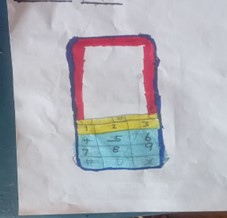
“Los niños tienen derecho a bañarse, comer e ir al colegio. Los derechos son importantes para la vida.” Niño migrante venezolano.” – 12 años. Perú (Translation: “Children have the right to bathe, eat, and go to school. Rights are important for life” -Venezuelan migrant child. 12 years old. Peru)
Photo 5: Drawing by a child in Ethiopia
“I have right to get clothes, be clean and I don’t want to be dirty. I also want to play football, volleyball and other games.” – Sudanese refugee living in South Sudan

Photo 6: Drawing by a child in Peru
At the same time, and despite the challenges they face daily, many children are able to remain hopeful for the future. They recognized that part of the solution is what IRC’s research has pointed us to: the need to create and support safe homes with supported parents and caregivers. When asked specifically what makes them happy, children’s voices were clear: family.
“I am happy when my family is gathered around me”
“I am happy when I make my mother laugh.”
“Being among my family and friends, and doing my homework makes me happy every day.”
“If my mother and father were there and no one would yell at me, and I feel that I am loved and in a safe place”
أتمنى أن أعود إلى المنزل، وأخذ ألعابي، والذهاب إلى والدي
“I wish I could go back home, take my toys, and go to my father”.
The rights they expressed are interrelated, and their hopes for their futures hang on if their interrelated rights are respected, protected, and fulfilled. Each child’s voice and experience is unique, but their call to us has universal applicability in that they demand – with youthful clarity – that we uphold the rights of children.
“Please make sure that we are safe. The IRC and the government should protect us from people who want to hurt us. That is the most important concern.”
– Adolescent girl, Age 14 in Ethiopia
_______________________________________________________________
IRC’s support to children and adolescents to realise their rights
The International Rescue Committee’s Child Protection work seeks to ensure children within humanitarian contexts are safe in their home, schools, communities and countries. We do this by working directly with the children themselves, with parents and caregivers, with communities and States to support a nurturing environment for children to grow and thrive.
We invest in families in humanitarian settings to reduce the risk of family separation and support children without appropriate care to access right to parental care. We work to prevent child sexual violence and support children to heal and recover by providing safety, psychosocial, medical and legal services. At the same time, we work to change social norms that perpetuate abuse and hinder parents from seeking support for their children. We mitigate the impact of armed conflict on children through protection, education, economic and health systems strengthening services. This includes prevention of, protection and recovery from child association with armed forces and groups and its associated long-term effects on childhood and families in armed conflict settings. We empower parents and caregivers with parenting support and addressing root causes of family stress and violence, including the co-occurrence of child maltreatment and gender-based violence.
In 2024, the IRC was able to support over 901,000 children and caregivers with Child Protection interventions in 33 countries. This is just a fraction of children in need of services:
- 552,478 children and caregivers participated in community-based awareness activities on Child Protection topics. Through this work, the IRC works to promote a protective community for children and support the efforts of parents and caregivers.
- 25,043 children were registered in child protection case management. These figures represent the children who experienced multiple rights violations and required accompaniment by case workers to receive individualized assistance. 12% of children in case management were unaccompanied or separated
- 3,357 children who were separated from their caregivers were supported to receive family-based care through alternative care arrangements. These figures only represent a proportion of children without parental care. 70% of children in alternative care were unaccompanied or separated
- 134,490 children participated in group psychosocial programs
- 150,366 children engaged in safe healing and learning spaces
- 57,804 caregivers participated in group parenting programs as way to promote nurturing care, support caregivers and prevent violence against children in the home and in their communities.
- 5,610 caregivers and youth received cash or voucher transfers for Child Protection outcomes. In addition:
- 8,684 practitioners were trained on Child Protection topics, such as case management and psychosocial support for children. This is the workforce that is essential in delivering social services to children affected by crisis in humanitarian settings.
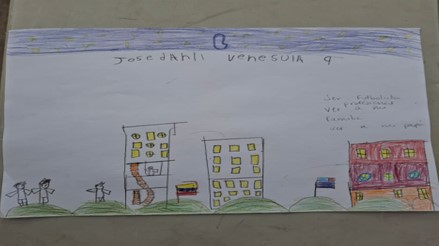
“We want to play football, use the jumping rope, swing, slide, and run around in a comfortable playground without being scared. We have the right to play and be happy.” – Adolescent boy, Age 13